
What to Avoid
Hot Water
Hot water shrinks and damages natural fibres. Always use cold water ONLY.
Tumble Drying/Dryer
Heat is the enemy of Bamboo and Merino when it comes to washing. Follow instructions for laying flat/hanging to extend the lift of your new gear.
Fabric Softener
Fabric softener clogs the natural breathability of the fabric. Not to worry. Your new clothing has natural properties to keep it luxurious and soft without the use of detergents.
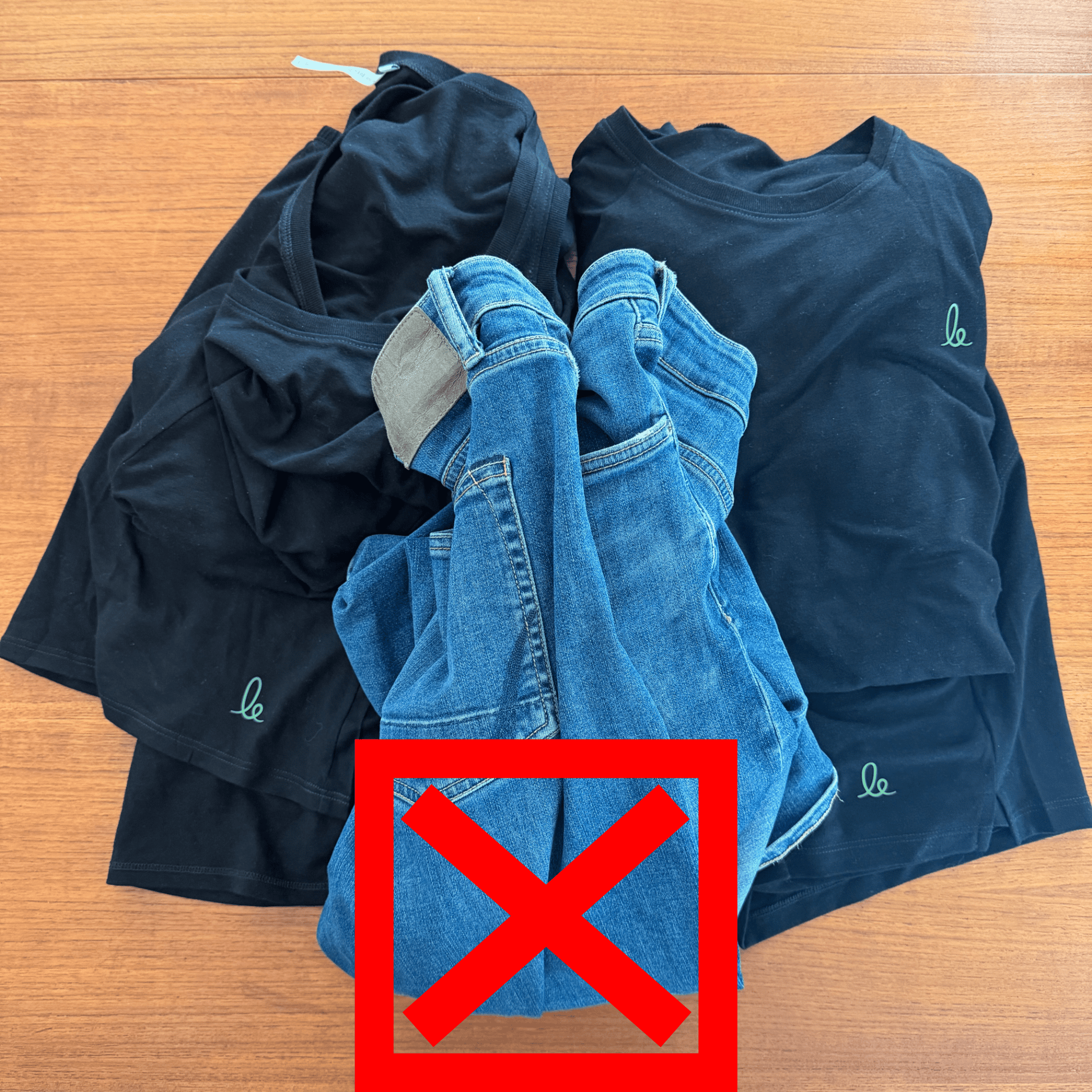
Washing with Jeans, Zippers, or Buttoned Garments
Use this section to explain a set of product features, to link to a series of pages, or to answer common questions about your products.
Wringing or Twisting
Wringing or twisting tresses the fibres. Gently press out excess water if hand washing and follow drying guidelines .
Hanging Wet Shirts to Dry
Causes permanent distortion and bumps in the clothing. Always lay flat or drape to dry.
Before you Wash
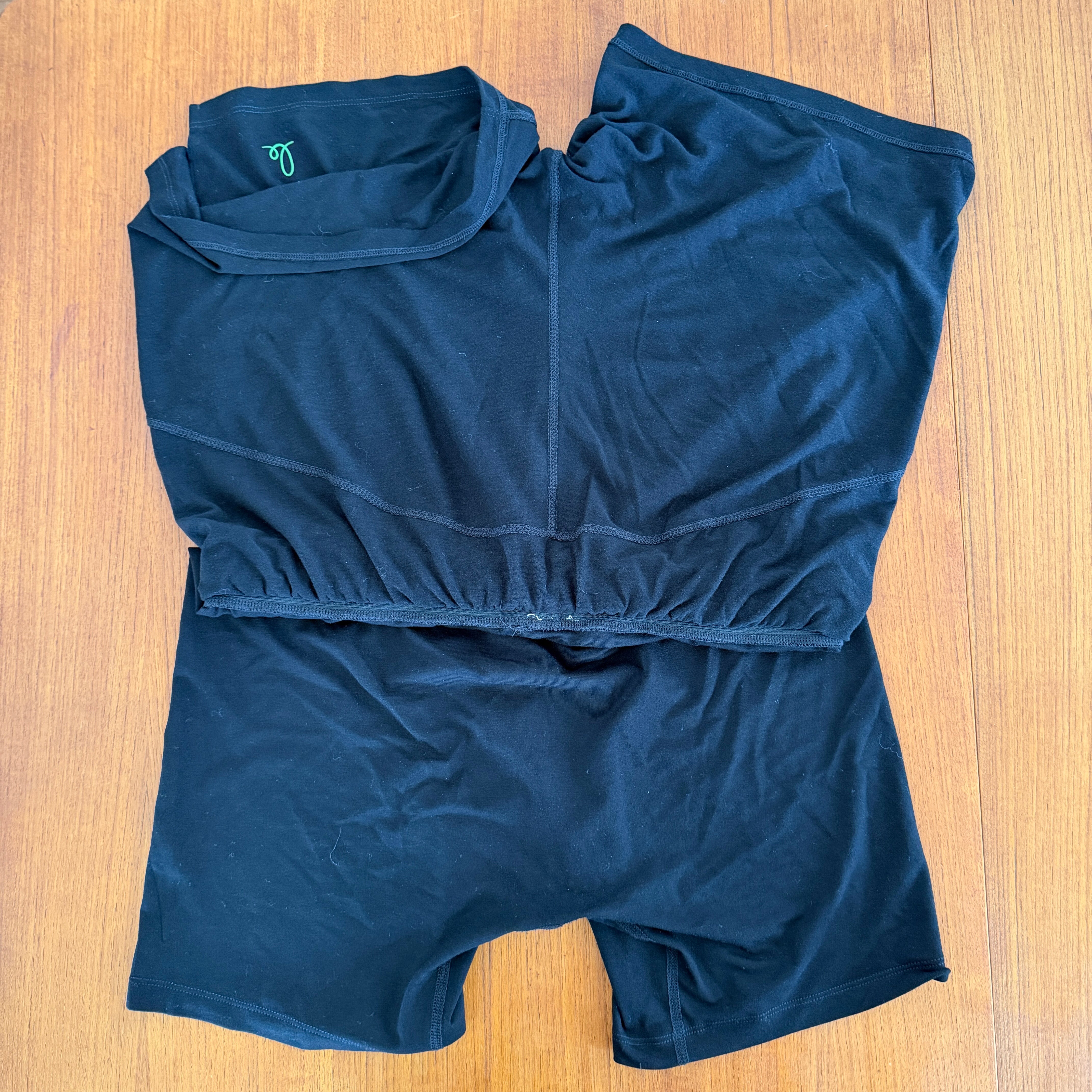
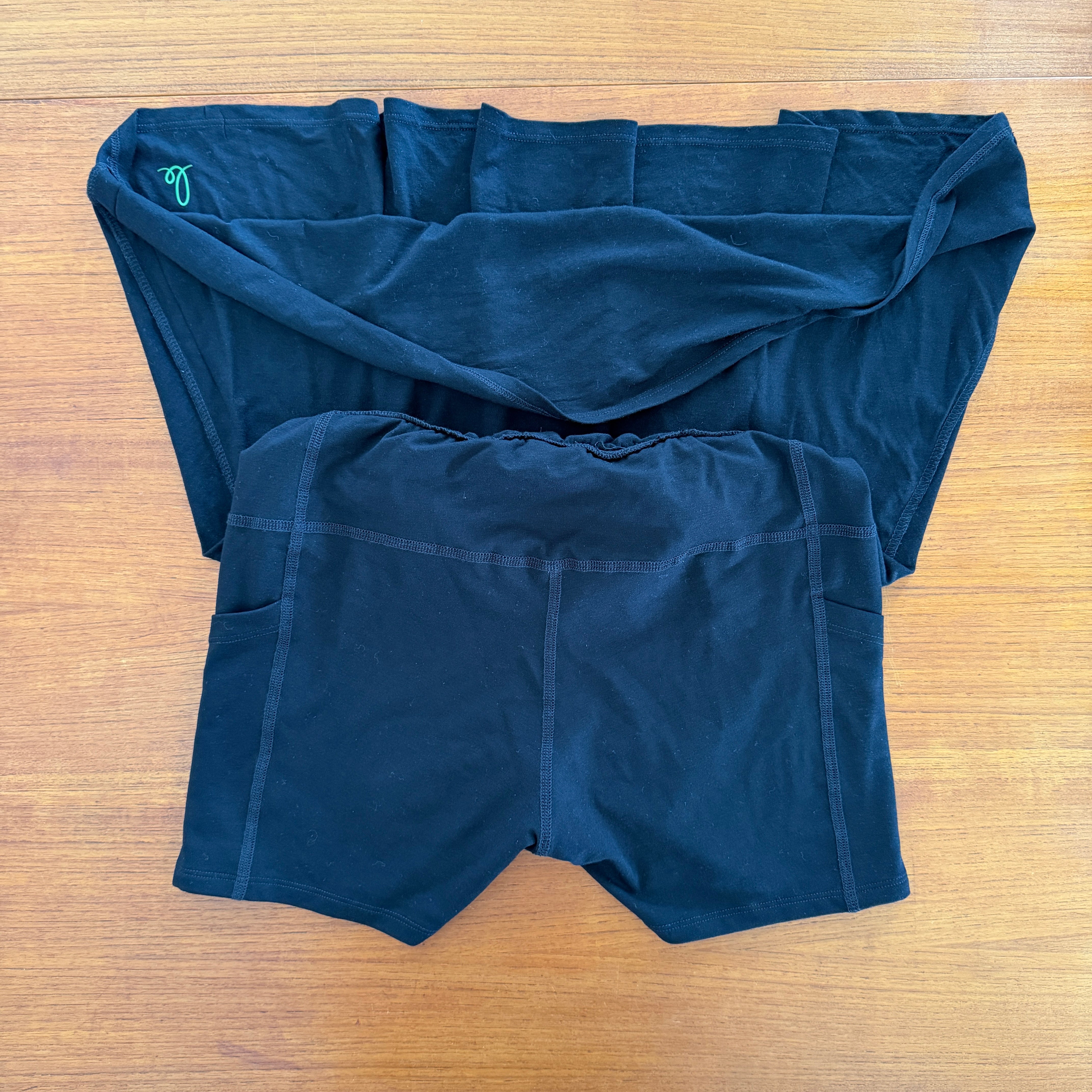
• Turn garments inside out to protect the fabric surface. For shorts and skorts, outer layer should be inside out
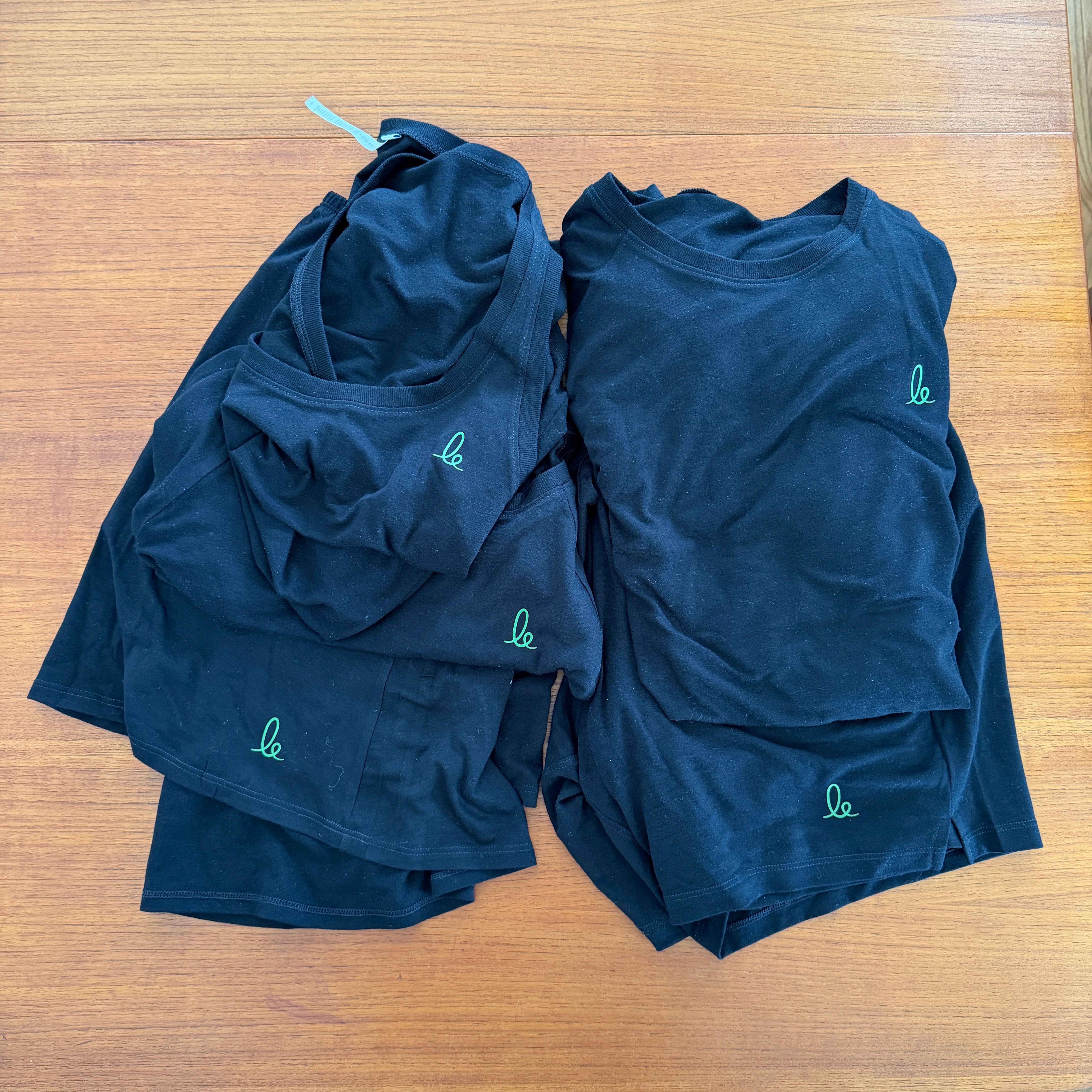
• Wash with like colours and fabrics. Don’t wash with items that have sharp items attached like jeans (buttons and zippers). Bamboo and merino hold colour well when treated right.
• Natural fibres are odour-resistant by design. You don’t need to wash after every wear.
• Less washing = longer life. That’s the whole point.
Machine Wash
Delicate or Wool cycle ONLY
While handwashing is preferable, modern washing machines have the ability to gently wash delicates on their Delicate/Wool setting.
Cold Water ONLY
It’s gentler on the fibre and extends the life of the garment. Merino will shrink if exposed to hot water. Try to use detergents specifically made for washing delicate garments.
Wash with like Colour & Garments
No jeans, no items with zippers, buttons, or sharp hardware. These will snag and damage the fabric.
Lay Flat to Dry
Never put clothing in dryer. Lay shirts flat to dry in shade. Do not place in direct sunlight to dry. For faster drying, place towel underneath. Shorts and skorts can be hung by the waistband if needed.
Hand Wash
Cold Water ONLY Gentle Detergent
It’s gentler on the fibre and extends the life of the garment. Merino will shrink if exposed to hot water. Try to use detergents specifically made for washing delicate garments.
Rinse Throroughly with Cold Water
While handwashing is preferable, modern washing machines have the ability to gently wash delicates on their Delicate/Wool setting.
Do not Wring or Twist
Do not twist or wring. Gently press water out to remove most of the water from rinsing.
Lay Flat to Dry
Never put clothing in dryer. Lay shirts flat to dry in shade. Do not place in direct sunlight to dry. For faster drying, place towel underneath. Shorts and skorts can be hung by the waistband if needed.
Merino Wool Stain Removal
Sometimes we get dirty. We are out there in the world: active, playing and in the mix. Below are some tips to help you erase the uncommon mistakes from your delicate Merino Wool garments.
Merino wool, prized for its softness, warmth, and breathability, requires careful handling, especially when it comes to stain removal. Unlike more robust fabrics, merino’s delicate fibers can be easily damaged by harsh chemicals and aggressive scrubbing. This article provides a detailed guide on effectively tackling common stains on your merino wool items, ensuring their longevity.
1. Act Quickly: The Golden Rule
The most critical factor in stain removal is speed. The longer a stain sits, the more difficult it will be to remove. As soon as you notice a stain, address it immediately. This prevents the stain from setting deep within the fibers, making removal exponentially harder. Begin by gently blotting the stain with a clean, absorbent cloth or paper towel to remove any excess liquid. Avoid rubbing, which can push the stain deeper into the fabric.
2. Identify the Stain: Knowing is Half the Battle
Different stains require different approaches. Understanding the nature of the stain is crucial for choosing the right cleaning method. Below are some common stain types and their basic treatments:
Water-Based (e.g., Juice, Wine)
- Blot excess liquid; do not rub
- Cold water rinse; gentle detergent if necessary.
Oil-Based (e.g., Food, Grease)
- Blot excess; sprinkle with absorbent powder
- Dish soap or specialized wool stain remover
Protein-Based (e.g., Blood, Milk)
- Cold water blot, do not use hot water.
- Cold water wash with mild detergent; enzyme cleaner if neededInk
- Blot with a clean cloth immediately
- Rubbing alcohol or hair spray on cotton ball (test first)
Mud
- Let it dry completely then brush off
- Gentle cold water wash; may need detergent
3. Essential Tools and Materials
Before you begin, gather the necessary tools to avoid interrupting the cleaning process. Having these items on hand will make the job easier and more efficient:
- Clean, white cloths or paper towels
- Cold water
- Mild, pH-neutral detergent specifically for wool
- Small basin or bowl
- Soft-bristled brush
- Absorbent powder (e.g., cornstarch or baking soda)
- Optional: Specialized wool stain remover
4. Step-by-Step Stain Removal Techniques
The following are general steps you can follow for a variety of stains on merino wool:
- Blot: Immediately after noticing the stain, use a clean cloth or paper towel to blot up as much of the stain as possible. Work from the outside of the stain inwards to prevent it from spreading.
- Pre-treat (if necessary): For oily stains, sprinkle an absorbent powder, such as cornstarch or baking soda, onto the stain. Let it sit for 15-30 minutes to absorb the oil, then gently brush off. For other stubborn stains, you can apply a small amount of mild detergent directly to the area or try a specialized wool stain remover. Always test in an inconspicuous area first.
- Gentle Wash: Fill a basin with cold water and add a small amount of your mild detergent. Gently agitate the water to create suds. Submerge the stained area of your merino garment into the water.
- Massage the Stain: Use your fingers or a soft-bristled brush to gently massage the stained area. Avoid rubbing aggressively as this can cause pilling and damage to the wool fibers.
- Rinse Thoroughly: Rinse the garment under cold running water to remove all traces of soap. Continue rinsing until the water runs clear.
- Repeat if Necessary: For more stubborn stains, you may need to repeat steps 2 through 5.
- Dry Carefully: Do not wring out or twist your merino wool garment. Lay it flat on a clean towel and gently roll the towel to absorb excess moisture. Finally, lay the garment flat on a clean, dry towel or a drying rack to air dry completely away from direct sunlight or heat. Never put merino wool in a dryer.
5. When to Seek Professional Help
While these methods are usually effective, some stubborn stains or delicate items might require professional assistance. If you’ve tried all the above steps without success, or if the item is very valuable or delicate, taking it to a reputable dry cleaner experienced in handling merino wool could be the best option. They will have professional-grade products and cleaning techniques to tackle difficult stains without damaging your garment.
6. Preventive Measures
Prevention is always better than cure. Here are some tips to avoid staining your merino wool garments:
- Wear an apron while cooking or doing other potentially messy activities.
- Be cautious when consuming food or drinks that may stain easily.
- Store your merino wool items in a clean, dry place, away from dust and direct sunlight.
By following these guidelines, you can keep your merino wool garments looking their best for years to come. Remember, gentle care is the key to preserving the delicate nature of merino fibers.